
The Rise of Blanc de Noir: When Red Grapes Go White
A guide to the wine style rewriting the rules — and why it feels so perfectly suited to now
📖 Read Time: Approx. 6 minutes.

Mulongo Wine & Spice — Wine Consultant & Educator | France, Kenya
There was a time when the hierarchy of wine felt unquestioned.
Red wines carried prestige, power and seriousness. White wines were often treated as lighter alternatives — refreshing perhaps, but secondary. Something you ordered while you waited for the real wine to arrive.
That landscape is changing.
Today, consumers are gravitating toward wines that feel fresher, more versatile and easier to enjoy across seasons, cuisines and occasions. White wine consumption continues to rise in many markets, while heavier reds are losing ground, particularly among younger drinkers who are redefining what sophistication looks like in a glass.
And quietly, almost poetically, one category has begun to emerge at the crossroads of these shifting tastes.
Blanc de Noir — white wine made from red grapes.
Once associated almost exclusively with Champagne, Blanc de Noir is now appearing in still wines across the world. From experimental Pinot Noir projects to innovative expressions in the Languedoc, the conversation has expanded far beyond France. Cabernet Franc is being pressed white in Virginia and the Loire Valley. Malbec Blanc is emerging from Argentina. Sangiovese vinified without skin contact is producing surprising results in Italy. Baga — one of Portugal's most tannic and deeply pigmented varieties is being reimagined as a pale, mineral-driven white in Bairrada. Even Syrah and Grenache are finding their way into the style across the Mediterranean.
What was once a traditional sparkling technique confined to a single French region is becoming one of the most exciting and genuinely global conversations in contemporary wine.
What Does Blanc de Noir Actually Mean?
The term translates literally from French as "white from blacks." In wine language, black refers to dark-skinned grape varieties — Pinot Noir, Pinot Meunier, Cabernet Sauvignon, Merlot, Syrah, Grenache and others.
Despite their dark skins, the juice inside most red grapes is actually clear.
Colour in wine comes primarily from skin contact during fermentation. When red grapes are pressed gently and the juice is separated quickly from the skins, very little colour is extracted. The result is a pale wine that can appear white, silver or faintly copper-toned depending on the grape variety and the winemaker's hand.
What you are left with is something genuinely fascinating. A wine with the freshness and luminosity of a white, often carrying the texture, structure and quiet depth that comes from a red grape variety. It sits at a crossroads that most wines never occupy.
Champagne Made It Famous
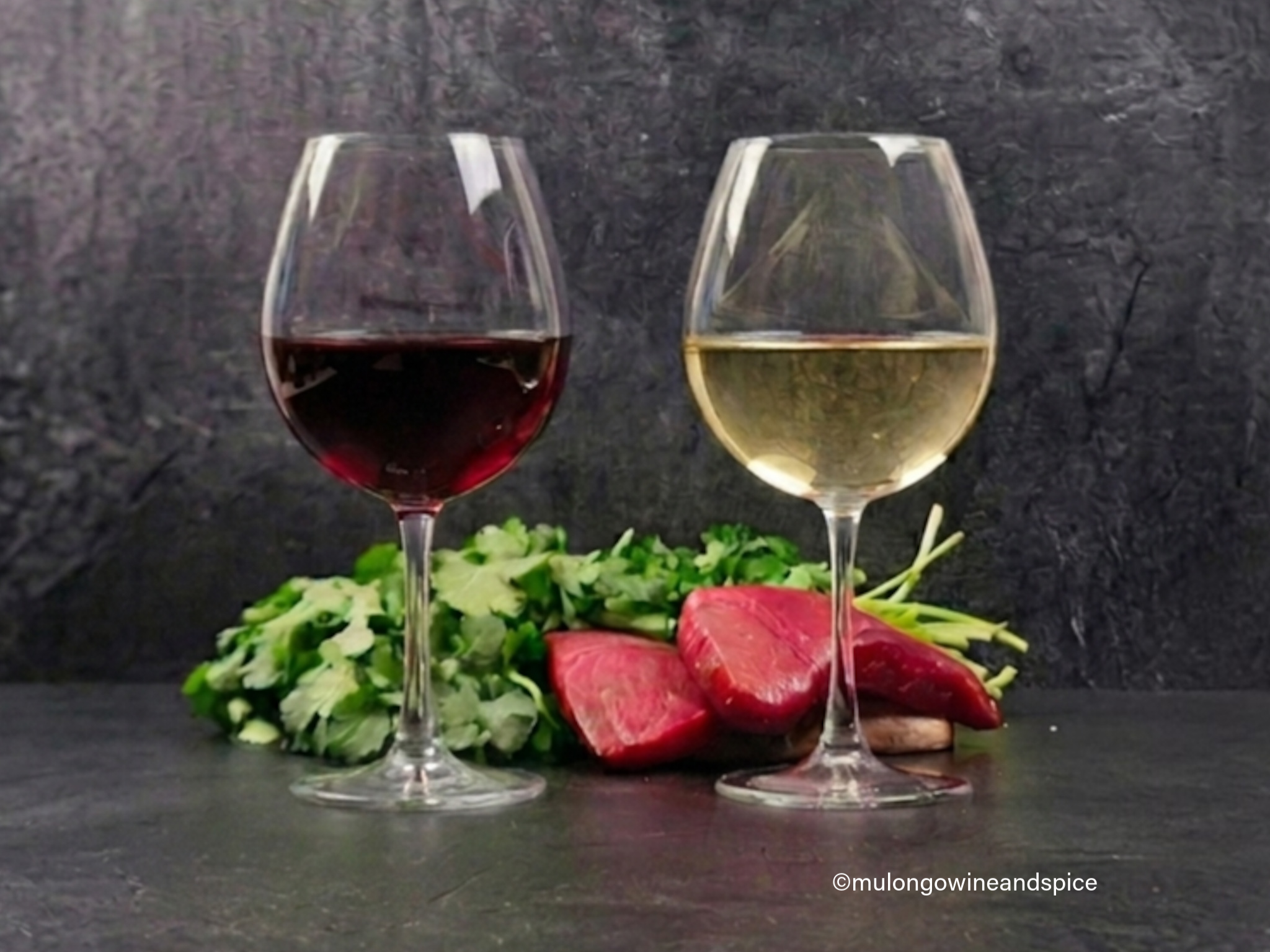
Same grape. Two completely different worlds. Blanc de Noir — white wine from red grapes.
Blanc de Noir has long existed in Champagne, where it is traditionally produced from Pinot Noir and Pinot Meunier. In this context the style is celebrated for producing sparkling wines with greater body, deeper fruit character, richer texture and stronger ageing potential than their Blanc de Blancs counterparts.
The comparison is worth understanding:
Blanc de Blancs — typically Chardonnay — speaks in whispers. Citrus-driven, linear, mineral, delicate and precise.
Blanc de Noir speaks with texture. Red fruit-driven, structured, broad and expressive, often with a creamy, vinous quality that Chardonnay rarely delivers.
Neither is better. They simply tell different stories.
Beyond Champagne: A New Generation
What makes today's Blanc de Noir movement genuinely exciting is that it is no longer confined to sparkling wine.
Across the wine world, producers are experimenting with still Blanc de Noir wines made from grapes traditionally associated with red wine production. The reasons are partly commercial — responding to a market that is moving toward freshness and versatility — and partly creative. Blanc de Noir allows a producer to reimagine a familiar grape entirely without replanting a single vine.
In warmer climates especially, where rising temperatures are pushing red wines toward increasing power and alcohol, Blanc de Noir offers a way to preserve freshness while still expressing the identity of the grape and the character of the land.
The results can be extraordinary.
What Does Blanc de Noir Taste Like?
This is where the style becomes genuinely interesting and genuinely unpredictable.
Blanc de Noir wines can look delicate while carrying surprising intensity underneath. Depending on the grape variety, the terroir and the winemaking approach, they may show:
In the glass — pale gold, silver, faint copper or the lightest blush depending on how much skin contact occurred during pressing.
On the nose — white peach, wild strawberry, raspberry skin, red apple, blood orange, pear, cranberry and citrus zest. Secondary notes of brioche, herbs, crushed stones, saline minerality, almond and dried flowers can also appear.
On the palate — a silky mouthfeel with gentle phenolic grip, sometimes a subtle tannic edge that whispers of the grape's origins, layered mid-palate weight and a freshness that lifts rather than dominates.
What makes Blanc de Noir so compelling is this contradiction. The freshness of a white wine and the quiet authority of a red, resolved in the same glass.
Why White Wines Are Winning Attention
For decades, red wine dominated wine culture. It was associated with prestige, ageing potential and seriousness. To order white in certain company was to signal casualness rather than connoisseurship.
That has changed fundamentally.
Modern consumers are redefining what luxury in a glass actually means. Today's drinkers increasingly value balance over heaviness, elegance over extraction, versatility over power. White wines fit modern lifestyles naturally — easier to pair with the diverse, global cuisines most of us actually eat, adaptable across seasons, refreshing without sacrificing complexity.
Blanc de Noir enters this conversation beautifully because it challenges the binary entirely. It asks a question that the wine world has been slow to answer: what if a red grape could offer freshness without losing depth?
Food Pairing: Where Blanc de Noir Truly Shines
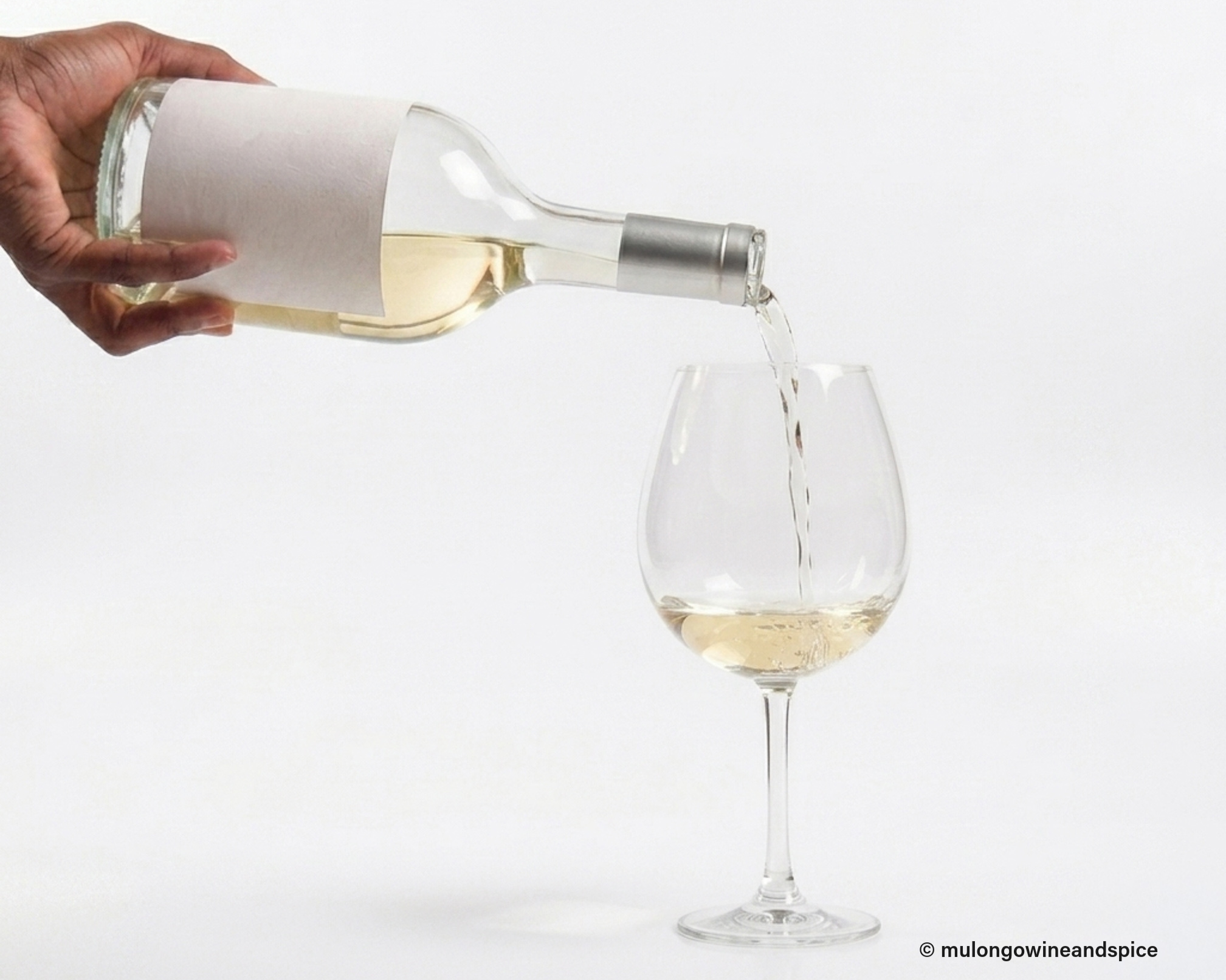
Pale gold. Luminous. Made entirely from red grapes. This is Blanc de Noir.
Because Blanc de Noir sits stylistically between white and red wine, it offers remarkable versatility at the table.
With seafood it excels — grilled prawns, lobster, tuna tartare, salmon, trout and seared scallops all respond beautifully to the freshness and mineral precision this style delivers.
With poultry and lighter meats — roast chicken, turkey, duck breast, pork loin — the subtle structure provides enough presence without overwhelming the dish.
With vegetarian cooking, particularly dishes with texture and earthiness — mushroom risotto, roasted root vegetables, charred cauliflower, lentil preparations — Blanc de Noir finds a natural home.
With cheese — Comté, Gruyère, Brie, aged goat cheese — the saline mineral quality in many expressions creates a genuinely compelling conversation.
And with spice-forward, fusion and East African coastal cuisine, Blanc de Noir performs surprisingly well. Its freshness and texture handle ginger, saffron, coriander and moderate heat with an elegance that many whites cannot match.
This versatility is perhaps the most compelling argument for the style's growing relevance. Modern dining is global, layered and far less rigid than traditional European wine pairing rules ever allowed for. Blanc de Noir adapts beautifully to that reality.
A Style Built for Curiosity
Part of Blanc de Noir's appeal lies in the experience of encountering it for the first time.
People expect red grapes to produce red wine. When they encounter a pale, luminous wine that carries subtle red fruit character, unexpected texture and a mineral precision they did not anticipate, curiosity naturally follows.
And curiosity is becoming one of wine's most valuable currencies.
Today's consumers increasingly seek discovery over familiarity, storytelling over branding, authenticity over convention and wines that start conversations rather than end them. Blanc de Noir offers all of those things simultaneously.
Is Blanc de Noir the Future?
Blanc de Noir is unlikely to replace traditional red wines. Nor should it.
But its rise tells us something important about where wine culture is moving. The future may belong less to rigid categories and more to flexibility — lighter expressions, experimental styles, freshness-driven wines designed for modern dining and modern lifestyles.
In many ways Blanc de Noir feels like a precise response to the present moment. A wine style shaped by climate, changing consumer tastes and a genuine desire for reinvention.
And perhaps that is precisely why it feels so exciting.
Because at its heart, Blanc de Noir is more than white wine made from red grapes.
It is tradition reimagined.
A note of thanks to the extraordinary wine community whose comments and discoveries informed and enriched this piece. The global breadth of Blanc de Noir expressions referenced here came directly from their generosity and knowledge.
Mulongo Binti Simiyu is a DipWSET-certified wine consultant, educator and content creator based in Ariège, France. She runs Mulongo Wine & Spice, specialising in lesser-known regions, indigenous varieties and the intersection of wine education with bold, flavoursome food culture.
Discover more at mulongowineandspice.com